Neurofeedback and Biofeedback Games: How Interactive Brain Training Is Transforming Neurotechnology
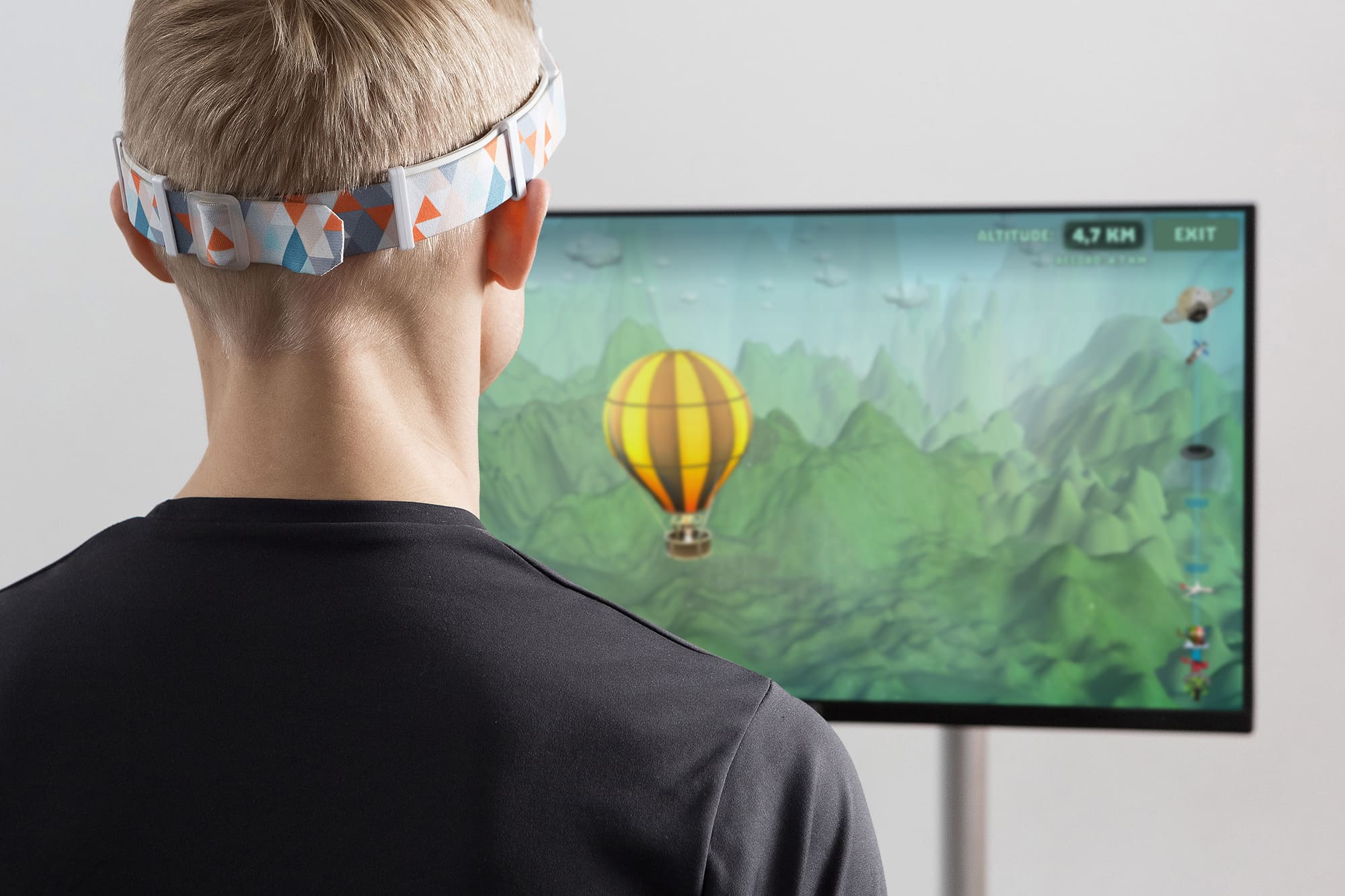
Modern neurotechnology is becoming increasingly interactive. Rather than displaying raw physiological data on charts, today's software transforms brain activity into engaging experiences through neurofeedback and biofeedback games. These applications allow users to receive immediate visual feedback based on their physiological signals, making brain training more intuitive, motivating, and enjoyable.
Whether used by developers building innovative applications, performance coaches designing cognitive training programs, educators creating engaging learning experiences, or businesses investing in employee wellness, gamified neurotechnology is rapidly becoming one of the most exciting areas of wearable EEG innovation.
With compact wireless EEG devices and modern software development kits, developers can now build applications where brain activity directly influences game mechanics, creating immersive experiences that combine neuroscience with interactive technology.
In this article, we'll explore how neurofeedback and biofeedback games work, the technologies behind them, practical applications across industries, and how BrainBit enables developers to create next-generation EEG-powered applications.
What Are Neurofeedback and Biofeedback Games?
Neurofeedback and biofeedback games are interactive applications that convert physiological signals into game controls or visual feedback.
Instead of controlling a game solely with a keyboard, touchscreen, or controller, users influence elements within the game through measurable physiological activity.
Examples include:
- maintaining concentration to keep an object moving
- relaxing to guide an animation
- improving consistency to unlock achievements
- controlling environments using EEG signals
- completing attention-based challenges
- visualizing brainwave changes in real time
The objective isn't competition, it is creating engaging feedback loops that help users better understand their own physiological patterns.
Unlike traditional dashboards filled with graphs and numerical values, games make complex brain activity intuitive and accessible.
Neurofeedback vs. Biofeedback Games
Although often mentioned together, neurofeedback and biofeedback games rely on different physiological inputs.


Many modern applications combine multiple physiological signals, creating multimodal feedback experiences.
For example, an application might simultaneously visualize:
- EEG attention
- breathing rhythm
- heart rate variability
- posture
- reaction time
This creates a richer and more adaptive experience than relying on a single metric alone.
Why Gamification Matters
People naturally respond better to interactive experiences than static charts.
Gamification improves:
- motivation
- engagement
- consistency
- user retention
- learning
- enjoyment
Instead of watching numerical values fluctuate, users immediately see how changes in their mental state influence a virtual environment.
Examples include:
- growing a digital tree
- flying a spaceship
- balancing an object
- completing puzzles
- navigating mazes
- unlocking achievements
This immediate cause-and-effect relationship makes physiological feedback much easier to understand.
How EEG Powers Neurofeedback Games
Neurofeedback games typically begin with an EEG headset that measures electrical activity generated by the brain.
Modern wearable EEG devices continuously stream data to software applications where algorithms extract meaningful features from raw signals.
These features may include:
- attention-related metrics
- relaxation indicators
- alpha activity
- beta activity
- theta activity
- engagement indices
The application then translates these measurements into game events.
Examples include:
- increasing speed
- changing colors
- unlocking new levels
- moving characters
- controlling animations
- triggering visual rewards
This process occurs continuously, providing immediate feedback as brain activity changes.
How Biofeedback Games Work
Biofeedback games follow a similar principle but use other physiological measurements instead of EEG.
Common signals include:
- breathing
- heart rate
- HRV
- skin temperature
- skin conductance
- muscle activation
These measurements influence gameplay mechanics just as brain activity does.
For example:
A breathing exercise may inflate a virtual balloon.
A relaxation exercise could calm an animated ocean.
A steady heart rhythm may grow a digital garden.
These visual metaphors make physiological regulation intuitive without requiring users to interpret complex graphs.
Types of Neurofeedback Games
There is no single type of neurofeedback game.
Instead, developers design experiences around different objectives.
Focus Games
Players maintain concentration to:
- move objects
- avoid obstacles
- increase speed
- unlock rewards
These are among the most common EEG applications.
Relaxation Games
The environment changes according to relaxation-related EEG patterns.
Examples include:
- floating lanterns
- peaceful landscapes
- changing weather
- growing forests
- calming water
These experiences emphasize smooth, continuous feedback rather than competition.
Meditation Experiences
Meditation applications combine guided audio with real-time EEG feedback.
Instead of guessing whether attention has wandered, users receive subtle visual indicators reflecting their current state.
This creates a more engaging meditation experience while encouraging consistent practice.
For organizations building mindfulness applications, BrainBit's meditation technology provides an excellent foundation.
Cognitive Challenge Games
These combine puzzles with real-time EEG monitoring.
Examples include:
- memory tasks
- reaction games
- attention switching
- pattern recognition
- sustained focus exercises
Developers can dynamically adjust difficulty according to user engagement.
Benefits of Gamified Brain Training
Interactive design offers numerous advantages over traditional interfaces.
Benefits include:
- increased engagement
- improved consistency
- better user experience
- intuitive visualization
- measurable progress
- higher motivation
Gamification is particularly valuable for long-term applications where maintaining user interest is essential.
Applications Across Industries
Neurofeedback and biofeedback games extend far beyond personal wellness.
Performance Coaching
Coaches increasingly use interactive applications to help clients improve:
- concentration
- reaction time
- mental endurance
- consistency
- focus during training
Gamified exercises make sessions more engaging while providing objective performance metrics.
Learn more about performance coaching applications development
Education
Interactive EEG applications create engaging learning environments.
Examples include:
- classroom attention activities
- concentration exercises
- educational neuroscience demonstrations
- STEM learning experiences
- brain-computer interface projects
Educational applications can make neuroscience more accessible to students of all ages.
Workplace Wellness
Organizations are increasingly exploring cognitive wellness technologies.
Interactive brain-training applications can support:
- focus sessions
- mindfulness breaks
- productivity challenges
- employee engagement initiatives
Sleep and Recovery
While neurofeedback games themselves are typically used during wakefulness, EEG technology also supports sleep-related applications.
Developers may create companion experiences that visualize overnight data or help users prepare for rest through guided relaxation.
Designing Effective Neurofeedback Games
Successful applications prioritize user experience over technical complexity.
Key design principles include:
Immediate Feedback
Users should instantly understand how their physiological signals affect gameplay.
Simple Visual Language
Avoid overwhelming interfaces.
Simple animations often outperform complex dashboards.
Progressive Difficulty
As users become familiar with the interaction, challenges can gradually increase.
Positive Reinforcement
Rewarding desired interactions typically creates more engaging experiences than highlighting mistakes.
Meaningful Progress
Progress tracking encourages continued use.
Examples include:
- achievements
- levels
- streaks
- milestones
- personal records
Developing Neurofeedback Games with BrainBit
Building EEG-powered applications no longer requires designing hardware from scratch.
BrainBit provides developers with:
- wearable EEG devices
- real-time data streaming
- software development tools
- SDK support
- cross-platform compatibility
- integration options
Developers can focus on creating engaging experiences while relying on BrainBit hardware for reliable EEG acquisition.
Popular Technologies for EEG Game Development
Developers commonly build neurofeedback games using:
- Unity
- Unreal Engine
- Python
- C#
- C++
- Java
- mobile applications
- desktop software
- web applications
Real-time EEG streaming allows flexible integration into many interactive environments.
Future Trends
Neurofeedback games continue evolving alongside advances in wearable technology and artificial intelligence.
Emerging trends include:
- adaptive game difficulty
- personalized experiences
- AI-driven recommendations
- multimodal biofeedback
- virtual reality
- augmented reality
- cloud analytics
- multiplayer EEG interactions
- cross-device synchronization
As wearable EEG becomes more accessible, interactive neurotechnology is expected to expand across consumer, educational, research, and business applications.
Frequently Asked Questions
What are neurofeedback games?
Neurofeedback games are interactive applications that use EEG signals to influence gameplay or provide real-time visual feedback based on brain activity.
What are biofeedback games?
Biofeedback games use physiological measurements such as heart rate, breathing, or HRV to create interactive training experiences.
Do neurofeedback games require an EEG headset?
Yes. EEG-based neurofeedback games require a compatible wearable EEG device capable of measuring brain activity in real time.
Can developers create custom EEG games?
Absolutely. Modern SDKs allow developers to build custom applications for desktop, mobile, and web platforms using real-time EEG data.
What industries use neurofeedback games?
Applications can be developed for performance coaching, education, meditation, workplace wellness, research, and consumer neurotechnology.
Does BrainBit support neurofeedback game development?
Yes. BrainBit provides wearable EEG hardware and development tools that enable developers to build custom neurofeedback applications and interactive EEG experiences.
Conclusion
Neurofeedback and biofeedback games represent one of the most engaging applications of wearable neurotechnology. By transforming physiological signals into interactive experiences, these applications make complex EEG and biofeedback data easier to understand while encouraging long-term engagement.
As wearable EEG devices become more accessible and software development tools continue to improve, developers have unprecedented opportunities to create innovative brain-computer interface applications. From focus training and meditation experiences to educational platforms and performance coaching tools, gamified neurotechnology is opening new possibilities across multiple industries.
For developers, businesses, researchers, educators, and technology enthusiasts looking to build interactive EEG applications, BrainBit provides the wearable hardware, development ecosystem, and flexibility needed to transform physiological data into engaging digital experiences.