How Much Does a Neurofeedback System Cost? A Complete Buyer's Guide for Clinics, Coaches, and Researchers
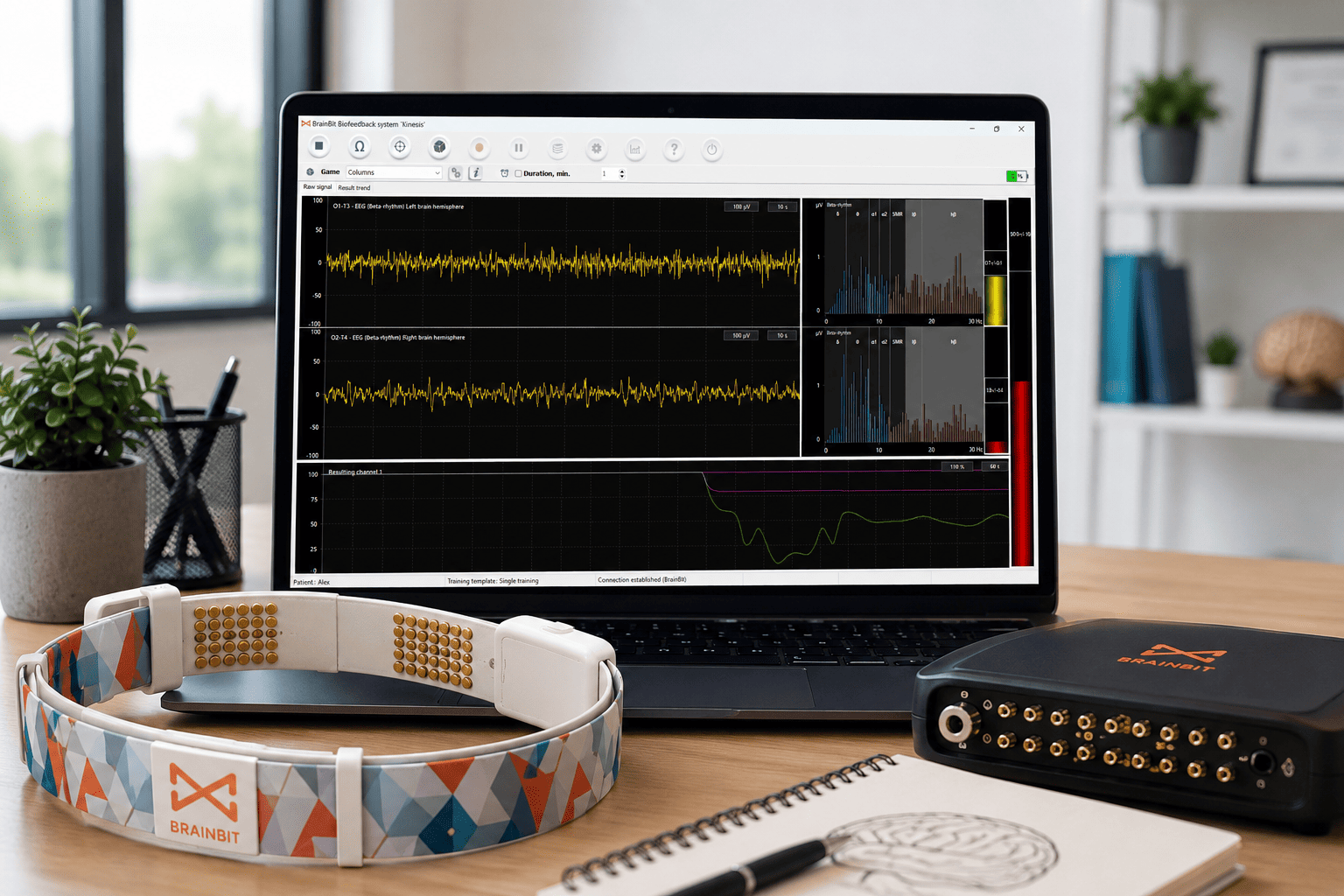
Neurofeedback has evolved from a niche clinical technology into a rapidly growing field used in healthcare, cognitive performance training, wellness, education, and neuroscience research. As more professionals explore neurofeedback, one of the most common questions remains:
How much does a neurofeedback system cost?
The answer depends on several factors, including the type of EEG hardware, software capabilities, number of channels, intended application, and whether the system is designed for clinical practice, research, coaching, or consumer use.
In this guide, we'll break down the major cost factors, explain what is included in a modern neurofeedback system, and help you understand how to evaluate different solutions based on your goals.
What Is a Neurofeedback System?
A neurofeedback system is a combination of hardware and software that measures brain activity and provides real-time feedback to help users learn self-regulation of brainwave patterns.
Most systems include:
- An EEG device
- EEG sensors or electrodes
- Signal acquisition hardware
- Neurofeedback software
- Data visualization tools
- Training protocols
- Reporting and analytics capabilities
The EEG device measures electrical activity generated by the brain, while software analyzes the signals and presents feedback through visual, audio, or interactive experiences.
To understand the hardware side of neurofeedback, see our guide on How EEG Headbands Work.
Why Neurofeedback System Prices Vary So Much
One of the reasons people find neurofeedback pricing confusing is that the market includes everything from consumer wellness devices to advanced research-grade EEG systems.
A neurofeedback setup can range from a few hundred dollars to tens of thousands of dollars depending on the intended use.
Several factors influence cost:
Number of EEG Channels
The number of EEG channels determines how many brain regions can be measured simultaneously.
Typical systems include:


More channels generally provide:
- Higher spatial resolution
- More advanced analysis
- Greater flexibility for protocol design
Organizations needing multi-channel recordings often choose systems such as the BrainBit Flex or BrainBit Flex8.
Hardware Design
EEG hardware varies significantly in quality and complexity.
Important considerations include:
- Signal quality
- Sampling rate
- Wireless connectivity
- Dry versus wet electrodes
- Comfort during long sessions
- Portability
Modern wearable EEG systems have dramatically reduced setup complexity compared to traditional EEG caps.
Software Features
Software often represents a significant portion of overall system value.
Advanced neurofeedback platforms may include:
- Real-time brainwave analysis
- Automated training protocols
- Session reporting
- Cloud synchronization
- AI-assisted recommendations
- Long-term progress tracking
Some systems require separate software subscriptions, while others provide integrated solutions.
Intended Application
Pricing also depends on how the technology will be used.
Different use cases include:
- Neurofeedback practice
- Performance coaching
- Wellness applications
- Academic research
- Product development
- Mobile app integration
A university conducting neuroscience research will have different requirements than a coach delivering attention-training programs.
Neurofeedback System Cost Categories
Let's look at common pricing tiers.
Entry-Level Neurofeedback Systems
Approximate range:
$300–$1,500
These systems are often designed for:
- Personal use
- Meditation training
- Basic neurofeedback
- Wellness applications
Advantages:
- Lower investment
- Easy setup
- Portable design
Limitations:
- Fewer channels
- Limited software functionality
- Reduced flexibility
Professional Neurofeedback Systems
Approximate range:
$2,000–$10,000+
These systems target:
- Neurofeedback practitioners
- Coaches
- Therapists
- Wellness centers
Benefits often include:
- Higher-quality EEG acquisition
- Advanced software
- Multiple protocols
- Better reporting capabilities
Research-Grade Systems
Approximate range:
$10,000–$100,000+
Research environments may require:
- High-density EEG
- Extensive channel counts
- Specialized analysis tools
- Custom data pipelines
These systems are commonly used by:
- Universities
- Hospitals
- Neuroscience laboratories
What Is Included in the Cost?
When evaluating a neurofeedback solution, it is important to understand exactly what is included.
Some vendors advertise low hardware prices while charging separately for software, training, or ongoing licenses.
Common cost components include:
EEG Hardware
The device itself.
Examples include:
- Wearable EEG headbands
- Multi-channel EEG systems
- Research-grade EEG devices
Neurofeedback Software
Software can include:
- Training interfaces
- Protocol management
- Analytics
- Session tracking
Licensing
Some platforms require:
- Monthly subscriptions
- Annual licenses
- Per-user fees
Training
Professional neurofeedback systems may offer:
- Practitioner training
- Certification programs
- Technical onboarding
Technical Support
Support packages can affect total ownership costs.
Consider:
- Setup assistance
- Device replacement policies
- Software updates
Wearable EEG vs Traditional Neurofeedback Systems
The neurofeedback industry has experienced a major shift toward wearable EEG technology.
Traditional systems often involve:
- Gel electrodes
- Long setup times
- Laboratory environments
Wearable EEG systems focus on:
- Convenience
- Portability
- Faster deployment
- Real-world usability
This shift has opened neurofeedback to new industries including:
- Sports performance
- Education
- Corporate wellness
- Mobile health
Cost of Starting a Neurofeedback Practice
Many practitioners search for: "How much does it cost to start a neurofeedback business?"
The answer depends on scale.
Basic Setup
May include:
- EEG device
- Neurofeedback software
- Laptop
- Initial training
Professional Setup
May additionally include:
- Multiple devices
- Dedicated office space
- Client management software
- Advanced reporting tools
Many new practitioners begin with portable wearable EEG systems before expanding.
Neurofeedback for Performance Coaching
Performance coaching is one of the fastest-growing neurofeedback segments.
Applications include:
- Focus training
- Attention regulation
- Stress management
- Mental resilience
- Cognitive performance optimization
Many coaches prefer portable EEG systems because they can work:
- In person
- Remotely
- In sports environments
- In executive coaching settings
Neurofeedback for Research and Development
Developers and researchers often require flexibility beyond standard neurofeedback platforms.
Important considerations include:
- API access
- SDK availability
- Raw EEG access
- Custom application development
This is where wearable EEG ecosystems become especially valuable.
Building Your Own Neurofeedback Application
Many companies today are not simply buying neurofeedback software.
Instead, they are building:
- Wellness applications
- Meditation platforms
- Cognitive training tools
- Brain-computer interfaces
- Educational technologies
- Access to EEG data through developer tools becomes critical.
BrainBit provides development tools that enable organizations to create custom EEG-powered solutions.
Neurofeedback Software Costs
Software pricing varies widely.
Common pricing models include:
One-Time Purchase
Advantages:
- Predictable costs
- No recurring fees
Subscription Model
Advantages:
- Continuous updates
- Cloud services
- Ongoing support
- Enterprise Licensing
Used by:
- Research organizations
- Healthcare networks
- Product developers
Choosing the Right Neurofeedback System
Price alone should never determine your decision.
Consider:
Your Goals
Are you:
- Running your own practice?
- Conducting research?
- Building software?
- Coaching athletes?
- Developing a wellness platform?
Scalability
Can the system grow with your needs?
Data Access
Do you need:
- Processed metrics?
- Raw EEG data?
- SDK access?
Ease of Use
Portable systems often provide a better experience for:
- Practitioners
- Coaches
- End users
The Rise of AI-Powered Neurofeedback
The future of neurofeedback increasingly involves:
- Artificial intelligence
- Adaptive protocols
- Biomarker integration
- Personalized recommendations
These technologies help move beyond static training approaches toward more dynamic and individualized systems.
One emerging direction is Neurofeedback 2.0, which combines EEG data with broader physiological and behavioral information to create adaptive training environments.
Frequently Asked Questions
How much does a neurofeedback system cost?
Neurofeedback systems typically range from a few hundred dollars for entry-level devices to tens of thousands of dollars for professional and research-grade systems.
Why are some neurofeedback systems so expensive?
Pricing depends on hardware quality, channel count, software capabilities, support, and intended use.
What is included in a neurofeedback system?
Most systems include EEG hardware, software, signal processing tools, and reporting capabilities.
Can wearable EEG devices be used for neurofeedback?
Yes. Modern wearable EEG devices are widely used in neurofeedback, cognitive training, meditation, and performance optimization.
Do I need a multi-channel EEG system?
It depends on your goals. Basic neurofeedback may require fewer channels, while advanced applications benefit from multi-channel recordings.
Can developers build custom neurofeedback applications?
Yes. Platforms that provide SDK access and raw EEG data allow developers to create customized neurotechnology solutions.
Conclusion
So, how much does a neurofeedback system cost?
The answer depends on your objectives, required functionality, and desired level of flexibility.
For personal neurofeedback, costs may be relatively modest. For professional clinics, coaching businesses, research programs, and custom neurotechnology applications, investments are often higher but accompanied by significantly greater capabilities.
The most important consideration is not simply cost, it's value.
A well-designed neurofeedback system should provide reliable EEG acquisition, meaningful software tools, scalability, and the flexibility to support your long-term goals.
Whether you're launching a neurofeedback practice, conducting research, developing neurotechnology applications, or exploring cognitive performance training, choosing the right EEG platform is the foundation of success.