Neurofeedback & Biofeedback Games
Neurofeedback and biofeedback games use real-time brain activity and physiological signals to create adaptive, interactive experiences.
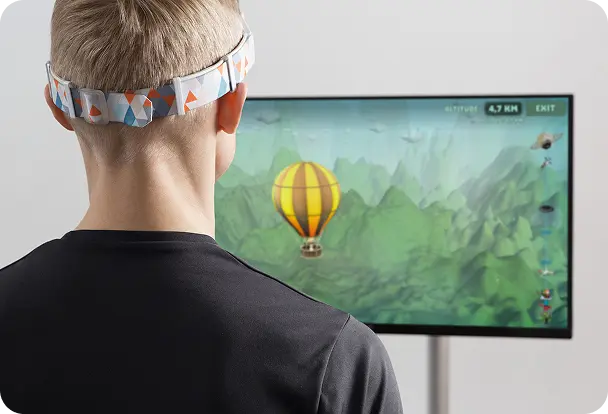
Explore a growing library of neurofeedback and biofeedback games designed to make brain training engaging, adaptive, and scalable. BrainBit games use real-time EEG and physiological signals to create interactive experiences that respond to attention, relaxation, and cognitive state.
Available across BrainBit applications and software platforms.
What Are Neurofeedback and Biofeedback Games?
Neurofeedback and biofeedback games are interactive digital experiences that respond to real-time brain activity and physiological signals.
Unlike traditional games, these experiences are driven by:
• brainwave activity (alpha, beta, theta, delta)
• attention and relaxation levels
• physiological signals such as breathing or muscle activity
This creates a feedback loop where users can observe and influence their state through gameplay.
How Neurofeedback Games Work
-

From Brain Signals to Gameplay
BrainBit technology transforms signals into real-time interaction.
-

Signal Acquisition
Wearable EEG and biosignal devices capture user data.
-

Signal Processing
Algorithms analyze patterns in brain and physiological signals
-

Real-Time Feedback
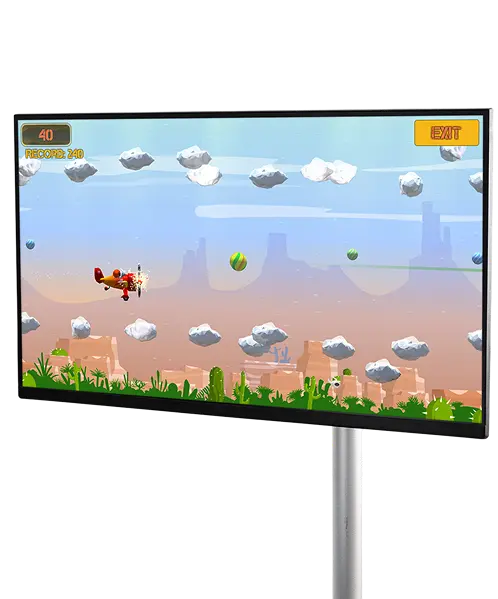
The game responds instantly: objects move or stabilize, environments change, rewards are triggered, difficulty adapts
This creates an interactive loop between user and system.
Types of Neurofeedback & Biofeedback Games
Designed for Different Cognitive States
-
Focus-Based Games
Progress depends on maintaining stable attention.
-

Relaxation Games
Game environments respond to calm and steady states.
-
Adaptive Games
Difficulty changes based on real-time user signals.
-
Interactive Environments
Visuals, sound, and gameplay react dynamically
BrainBit Games Library
BrainBit has developed a library of 25+ neurofeedback and biofeedback games, with new games regularly added, including themed and seasonal content.
-
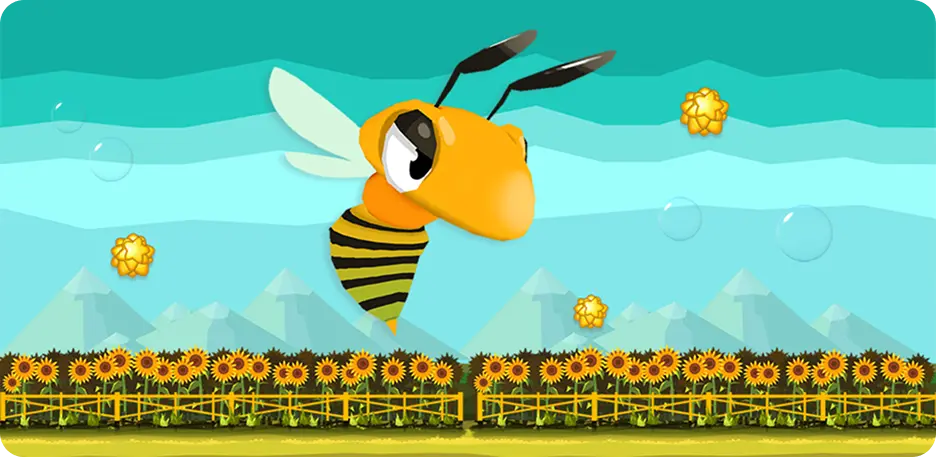
Honeybee
Simple focus-based interaction for early training
Control the bee and collect targets through stable attention. Easy mechanics make it intuitive and engaging.
How it works
Maintaining activity in the optimal zone allows successful collection and scoring.
Trains
Basic attention • Self-regulation • Visual tracking -
-
-
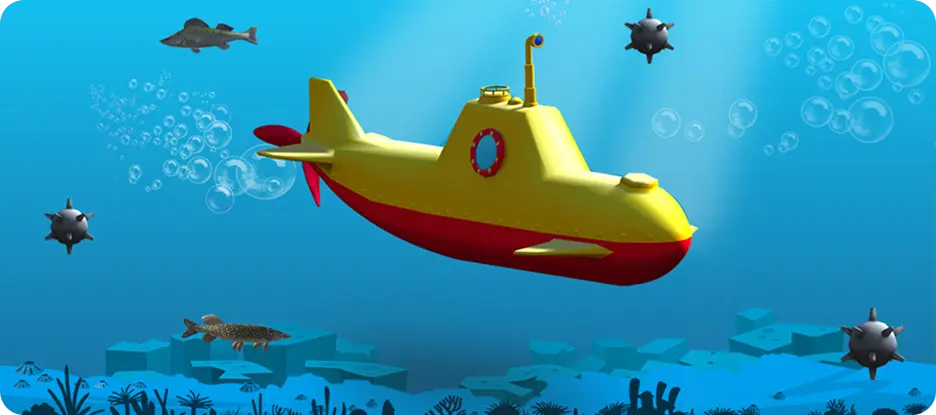
Submarine
Underwater focus training and sustained attention control
Guide the submarine using real-time brain activity. Stable focus helps collect targets and avoid obstacles, improving performance over time.
How it works
The submarine’s position reflects your activity level staying in the optimal zone allows you to collect points while avoiding risks.
Trains
Sustained attention • Control within target range • Decision balance -
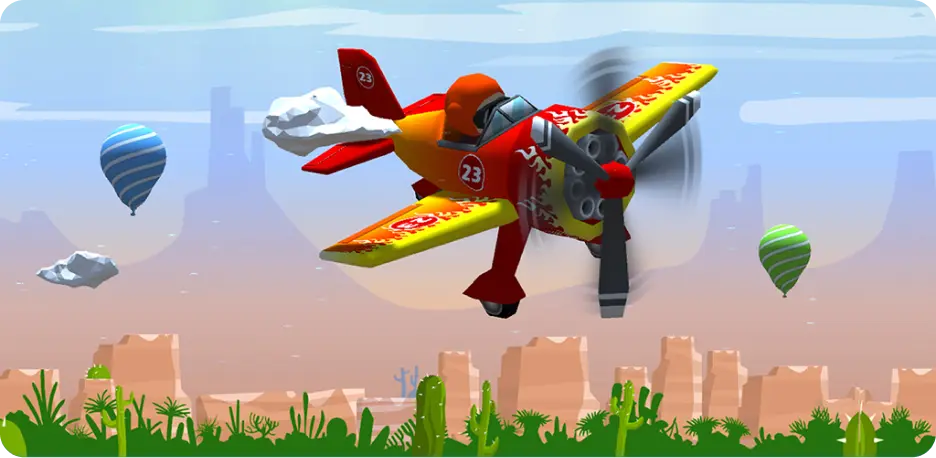
Planes
Smooth focus control and real-time adjustment
Control the plane’s altitude with your mental state. Consistent attention helps collect targets and maintain stable performance.
How it works
The plane moves up and down based on activity level - precise alignment with targets increases score and efficiency.
Trains
Continuous attention • Fine control • Stability -
-
-
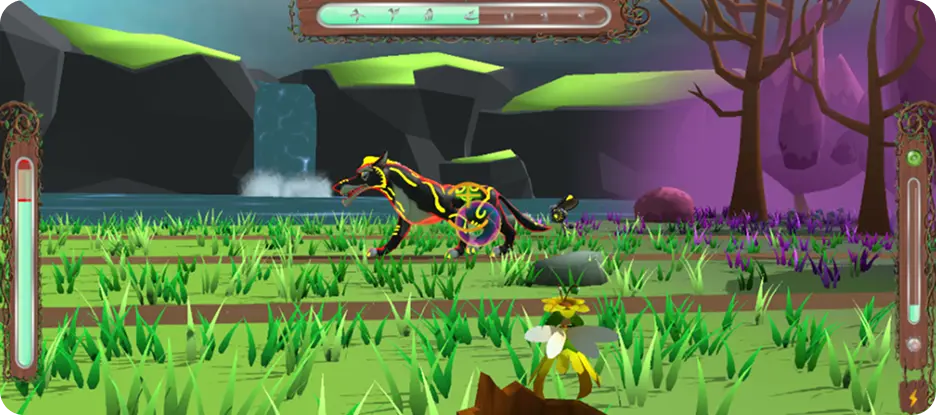
Forest Defense
Calm attention and balanced mental control
Support characters through stable and controlled mental states in a gentle, non-stressful environment.
How it works
Maintaining activity in the optimal zone leads to positive outcomes and steady progress.
Trains
Calm focus • Emotional regulation • Consistency -
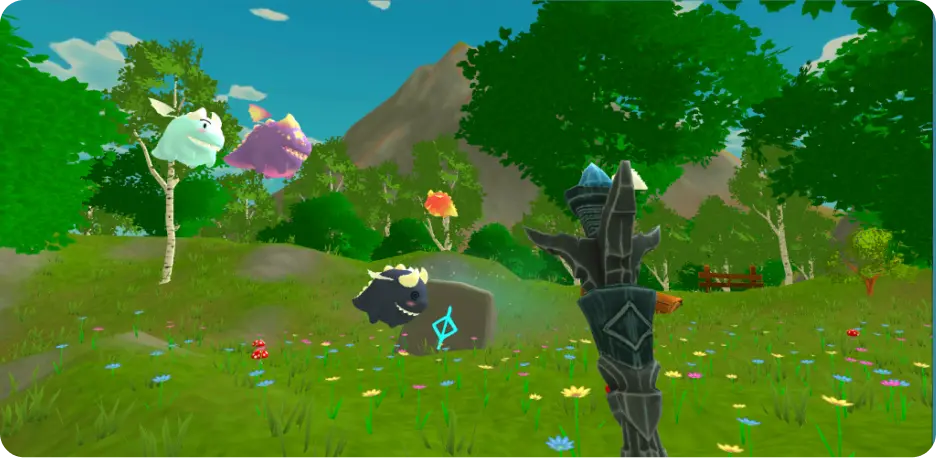
Tiny Dragons
Fine-tuned focus and precise self-regulation
Guide dragons using accurate control of your mental state. Success depends on staying within a narrow target range.
How it works
Activity must be held within a specific zone long enough to complete each action.
Trains
Precision • Patience • Fine control -
-
-
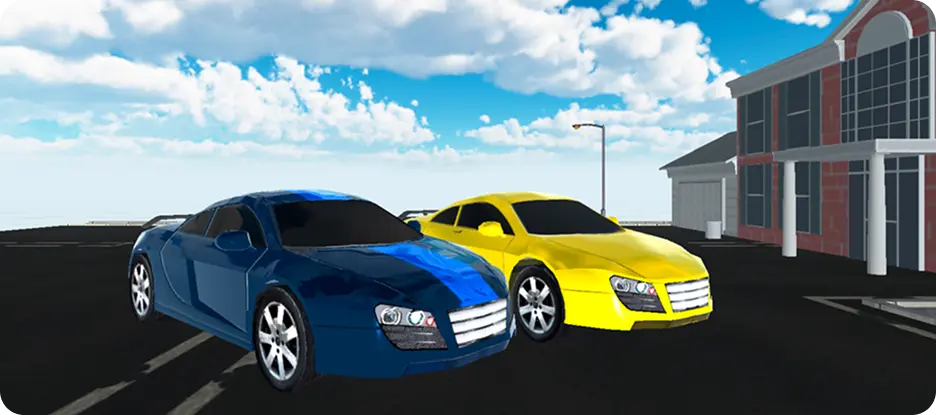
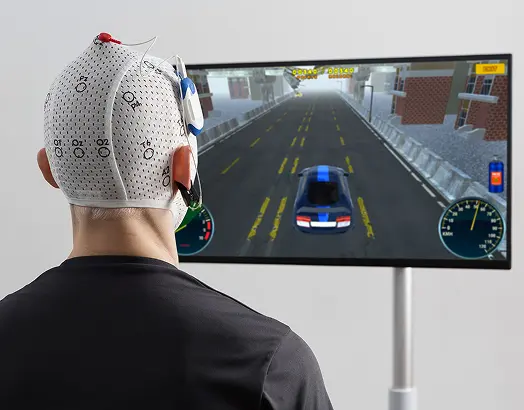
Cars
Dynamic attention control in a fast-paced environment
Control speed and movement through attention. Higher focus improves performance and responsiveness.
How it works
Activity level determines speed - stable focus allows better navigation and scoring.
Trains
Sustained attention • Impulse control • Reaction stability -
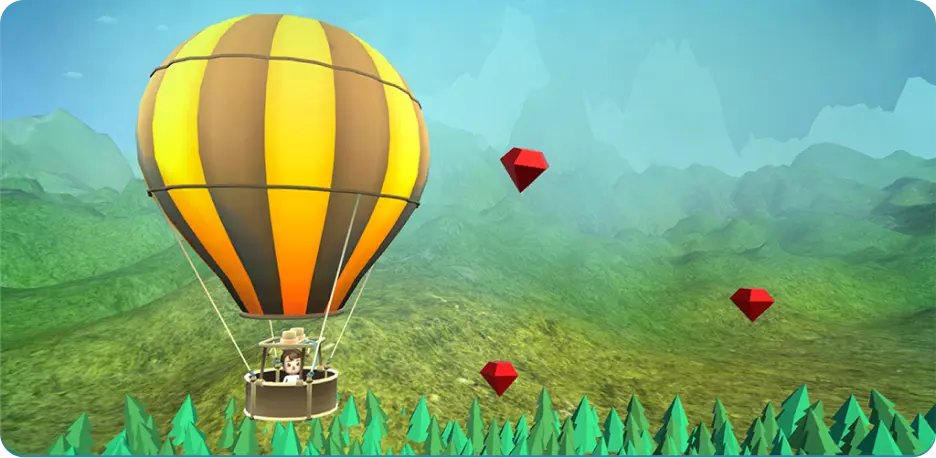
Balloon
Sustained focus and long-term control with rewards
Control the balloon using your mental state. Stable focus keeps it rising, while fluctuations affect movement and progress.
How it works
Staying in the optimal zone allows the balloon to collect bonuses and unlock upgrades over time.
Trains
Sustained focus • Consistency • Goal-oriented control -
-
-
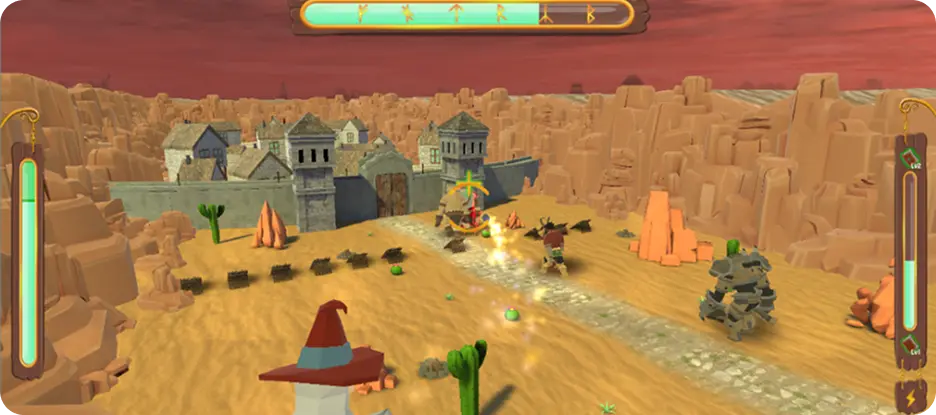
Castle Defense
Precision focus and sustained attention under pressure
Protect the castle using stable attention. Consistent control allows accurate targeting and successful defense.
How it works
Maintaining activity within the optimal zone enables actions and prevents threats from progressing.
Trains
Sustained attention • Precision • Stability -
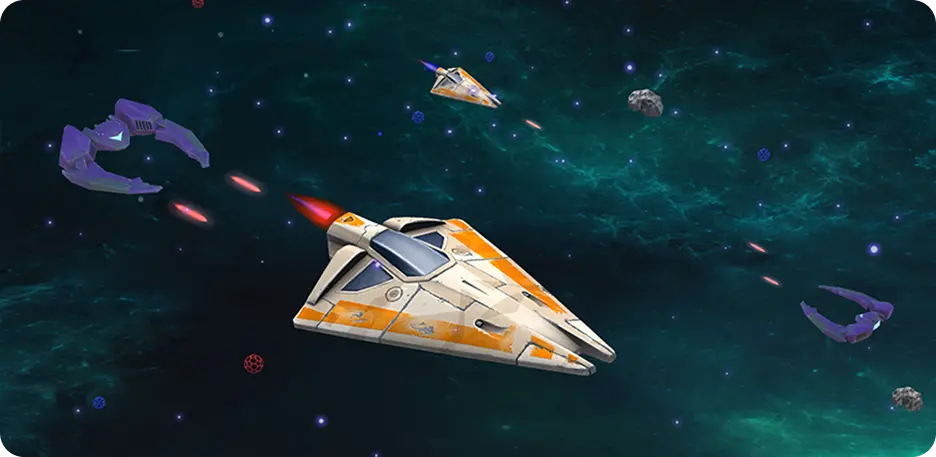
Spaceships
Attention control in dynamic environments
Control movement and defense through stable focus in an action-based setting.
How it works
Maintaining activity in the optimal zone activates protection and improves performance.
Trains
Focus under pressure • Attention switching • Control -
-

-
Puzzle
Steady attention and visual persistence
Complete images through sustained focus. Progress depends on maintaining stability.
How it works
Elements appear when activity is stable and disappear when focus drops.
Trains
Sustained attention • Persistence • Visual tracking -
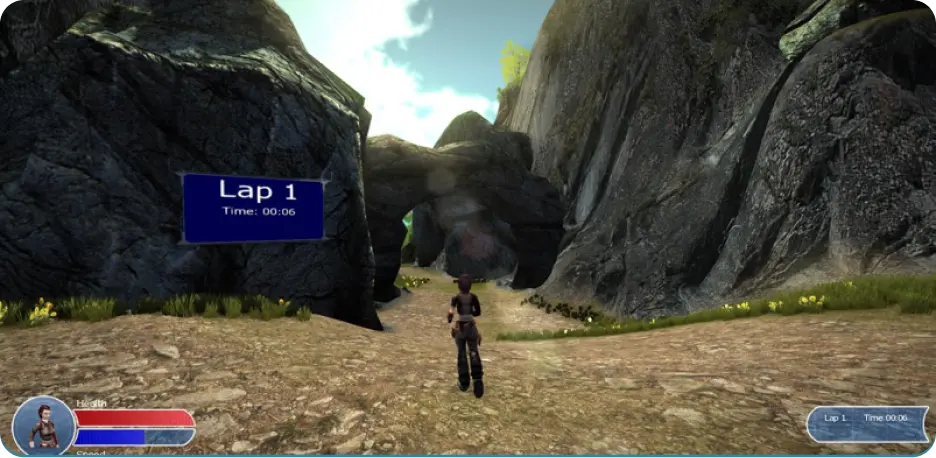
Run
Attention and body-awareness in motion
Control running speed through focus and internal awareness. Stability leads to better performance.
How it works
Maintaining activity within the optimal range increases speed and improves outcomes.
Trains
Focus under pressure • Body awareness • Emotional regulatio -
-
-
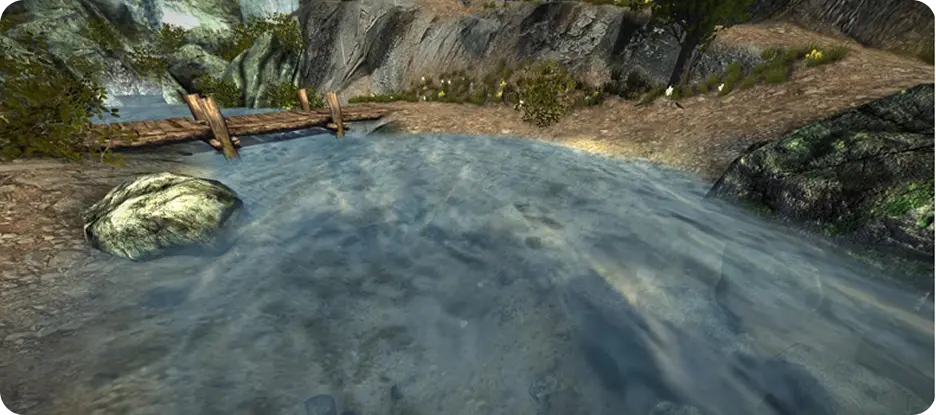
Pond
Attention-driven exploration and visual clarity
Reveal hidden elements through stable focus and calm engagement.
How it works
Clarity increases as activity stabilizes, uncovering objects and rewards.
Trains
Calm focus • Visual attention • Exploration -
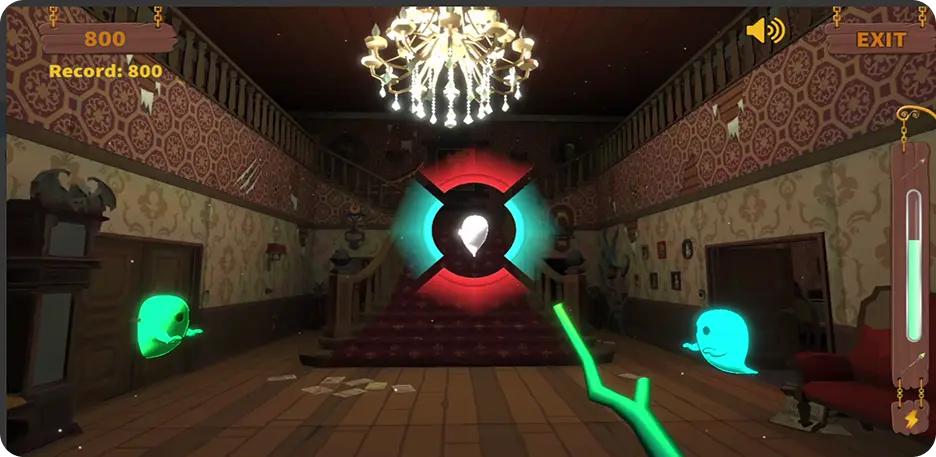
Ghosts
Precision control and muscle-based self-regulation
Free trapped ghosts by controlling muscle tension and maintaining precise focus within a target range. Success depends on stability, not force.
How it works
A targeting zone with red and green sectors guides your control - adjust muscle tension to keep the sight within the green zone and hold it long enough to release each ghost.
Trains
Fine control • Muscle awareness • Precision regulation -
-
Why Neurofeedback Games Are Different
Real-Time Interaction with Brain Activity
Unlike traditional brain games, neurofeedback games:
-

Respond to real physiological signals
-
Adapt to the user in real time
-
Create measurable feedback loops
-
Increase engagement through interactivity
This makes them suitable for building modern interactive applications.
-
-
Build Your Own Neurofeedback Game
Developer Tools for EEG-Based Game Development
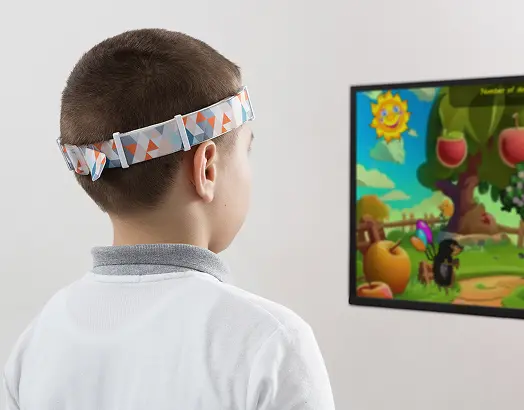
BrainBit provides a platform for building neurofeedback and biofeedback games. Capabilities:
-
Real-time EEG and biosignal processing
-
Brainwave analysis (alpha, beta, theta, delta)
-
Integration into game engines (Unity, mobile apps)
-
Adaptive gameplay logic
-
Cross-platform development
-
Where Neurofeedback Games Are Used
Neurofeedback and biofeedback games are used in:
-
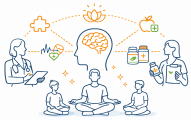
Wellness and mindfulness applications
-

Education and learning platforms
-

Performance and training tools
-

Research and neuroscience
-
Gaming and immersive experiences
-

Human-computer interaction
FAQ
-
What are neurofeedback games?
Neurofeedback games are interactive applications that use real-time brain activity to influence gameplay and create adaptive experiences.
-
What games are good for brain stimulation?
Games that involve attention, problem-solving, and real-time feedback are commonly used for cognitive engagement.
-
What is the best game to improve concentration?
Games that require sustained attention and provide immediate feedback can support focus training.
-
What are stress-relieving games?
Relaxation-based games that respond to calm states or breathing patterns are often used for stress-awareness and relaxation exercises.
-
How do biofeedback games work?
Biofeedback games use physiological signals such as heart rate, breathing, or muscle activity to control or influence gameplay.
-
Can brainwaves control games?
Yes. EEG devices can translate brain activity into signals that affect game mechanics and interactive environments.
-
How are neurofeedback games developed?
Developers use EEG hardware, SDKs, and real-time signal processing to integrate brain data into games and applications.