BrainBit Blog
How to Choose an EEG Device for Neurofeedback: A Complete Guide for Researchers, Practitioners, and Developers
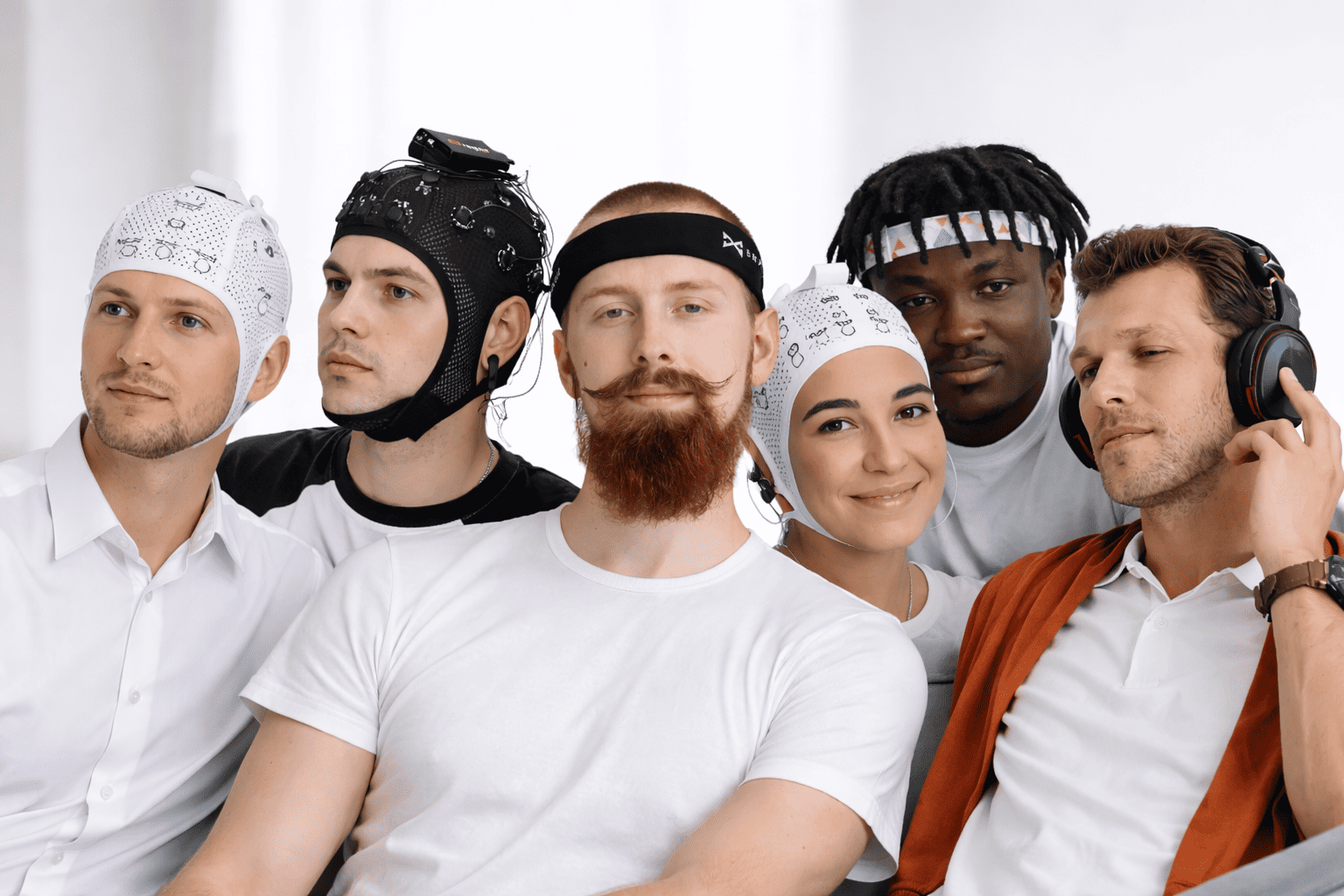
Neurofeedback has become one of the most promising approaches for training brain activity using real-time feedback. As interest grows among researchers, clinicians, developers, and cognitive performance specialists, the demand for reliable EEG devices for neurofeedback continues to rise.
However, choosing the right EEG hardware can be challenging. Different neurofeedback systems vary in signal quality, channel count, electrode technology, portability, and software compatibility. Selecting the wrong device can limit the effectiveness of neurofeedback training or prevent advanced experiments altogether.
This guide explains how to choose an EEG device for neurofeedback and what technical characteristics matter most. It also explores how different types of EEG systems - from wearable headbands to flexible research-grade solutions - support various neurofeedback applications.
Define Your Neurofeedback Use Case First
Before evaluating technical specifications, the most important step is understanding how you plan to use neurofeedback. Different EEG devices are designed for different environments, and choosing the right one depends largely on your goals.
Neurofeedback applications typically fall into four major categories.
Research and Neuroscience Experiments
In research environments, neurofeedback is often used to study:
- cognitive performance
- attention and learning
- mental workload
- human–computer interaction
- brain–computer interfaces (BCI)
Research applications require EEG devices that provide accurate signals, flexible electrode placement, and access to raw brainwave data.
Researchers frequently need to:
- record multiple brain regions simultaneously
- integrate EEG signals with custom software
- analyze brain activity using Python, MATLAB, or other tools
For these scenarios, modular EEG systems such as BrainBit Flex and BrainBit Flex8 provide flexibility and research-grade signal acquisition. Their design allows researchers to place electrodes across different brain regions depending on experimental protocols.
Clinical or Professional Neurofeedback Practice
Neurofeedback practitioners often work with clients over multiple training sessions, sometimes several times per week. In these environments, EEG devices must provide:
- stable signal acquisition
- comfortable long-term wear
- quick setup for repeated sessions
Devices such as BrainBit Headband Pro are designed to provide reliable multi-channel EEG recording while remaining comfortable for frequent use.
The ability to consistently capture brain activity during each session is critical for monitoring progress and maintaining training accuracy.
Portable Neurofeedback and Training
Portable neurofeedback has become increasingly popular as wearable EEG technology improves. Researchers, coaches, and trainers often need EEG devices that can be used:
- outside laboratory environments
- in educational settings
- during remote or mobile studies
Portable systems reduce setup time and allow brain activity to be recorded in natural environments.
The BrainBit Headband is designed for this type of wearable neurofeedback application. Lightweight headband EEG systems can provide reliable data while allowing users to move freely during training.
Cognitive Performance and Focus Training
Another growing use case for EEG-based neurofeedback is cognitive performance training. In these applications, neurofeedback is used to help individuals improve focus, relaxation, and mental performance.
Wearable devices such as the Mindo Headband can be used in programs focused on:
- attention monitoring
- stress awareness
- meditation support
- mental fitness training
These devices are often designed with user-friendly interfaces that make neurofeedback accessible outside clinical or research environments.
Key Technical Factors When Choosing an EEG Device for Neurofeedback
Once you understand your intended use case, the next step is evaluating the technical features of an EEG system. Several hardware specifications directly affect neurofeedback performance.
Number of EEG Channels
The number of EEG channels determines how many areas of the brain can be monitored simultaneously. Each channel represents a pair of electrodes measuring electrical activity at a specific scalp location.
Typical configurations include:
2–4 channels - Basic neurofeedback training
4–8 channels - Advanced neurofeedback and wearable systems
8+ channels - Research and multi-region monitoring.
More channels allow greater spatial resolution, which means researchers can observe brain activity across multiple cortical regions.
For example:
- BrainBit Headband uses a multi-channel design suitable for wearable neurofeedback experiments.
- BrainBit Flex and Flex8 support expanded channel configurations for research environments.
The right number of channels depends on the complexity of the neurofeedback protocol.
Electrode Type and Contact Stability
EEG electrodes measure electrical activity through the scalp. Their design strongly influences signal quality.
Two primary electrode types are used in EEG systems.
Wet Electrodes
Traditional EEG systems often rely on wet electrodes that require conductive gel. While this approach can produce strong signals, it also introduces challenges:
- longer setup times
- messy preparation
- cleaning after each session
For repeated neurofeedback sessions, wet electrodes can become inconvenient.
Dry Electrodes
Modern wearable EEG devices increasingly use dry electrodes, which do not require gel. Advances in electrode materials have significantly improved their reliability.
Dry electrodes provide several advantages:
- faster setup
- greater comfort
- easier repeated sessions
- better portability
Many BrainBit devices use advanced dry electrode technology to maintain stable contact with the scalp while simplifying the neurofeedback setup process.
Sampling Rate and Signal Accuracy
Another important specification is the sampling rate, which determines how frequently EEG signals are measured.
Sampling rate is typically measured in Hertz (Hz).
Common EEG sampling rates include:
- 250 Hz
- 500 Hz
- 1000 Hz or higher
For most neurofeedback protocols, a sampling rate of 250 Hz provides sufficient resolution to capture major brainwave frequencies such as alpha, beta, theta, and delta waves.
Signal accuracy also depends on amplifier quality and the system’s ability to minimize noise and interference.
High-quality EEG amplifiers help ensure that neurofeedback software receives clean, reliable data.
Portability and Comfort
Neurofeedback training often requires multiple sessions over weeks or months. Devices must therefore be comfortable enough to wear repeatedly.
Important ergonomic factors include:
- headset weight
- electrode pressure
- overall design
Wearable headbands can reduce setup time and allow users to focus on the neurofeedback training itself rather than equipment preparation.
The BrainBit Headband and Headband Pro are designed with portability and comfort in mind, making them suitable for both research studies and regular neurofeedback sessions.
Wireless Connectivity
Modern EEG devices increasingly rely on wireless communication, typically using Bluetooth Low Energy (BLE).
Wireless EEG systems allow users to connect directly to:
- laptops
- tablets
- mobile devices
This capability simplifies neurofeedback setups and makes portable training possible.
Wireless connectivity is especially important for research environments where EEG data must be transmitted to software platforms for analysis in real time.
Software Compatibility and SDK Access
EEG hardware must integrate smoothly with neurofeedback software platforms.
Key software considerations include:
- real-time EEG data streaming
- brainwave visualization
- protocol customization
- data export and analysis
For researchers and developers, software development kits (SDKs) are especially valuable. SDKs allow EEG data to be integrated into custom applications, research pipelines, and neurotechnology platforms.
BrainBit devices support development across several platforms, including:
- Windows
- iOS
- Android
- Unity
- Python environments
This flexibility makes them suitable for both research and software development projects.
Choosing the Right BrainBit Device for Neurofeedback
Because neurofeedback use cases vary widely, different BrainBit devices support different workflows.
BrainBit Headband
The BrainBit Headband is designed for wearable EEG applications and portable neurofeedback training.
Typical use cases include:
- mobile neurofeedback studies
- wearable brain monitoring
- human–computer interaction experiments
Its lightweight design allows users to collect EEG data in environments outside traditional laboratories.
BrainBit Headband Pro
The Headband Pro extends the capabilities of wearable EEG systems by providing expanded electrode coverage.
This makes it suitable for:
- advanced neurofeedback training
- multi-region brain monitoring
- research environments requiring additional channels
The device balances portability with enhanced signal acquisition capabilities.
BrainBit Flex
The BrainBit Flex system is designed for researchers who require flexible electrode placement.
Researchers can configure electrode positions depending on experimental protocols, making the system suitable for:
- neuroscience experiments
- BCI development
- cognitive research
BrainBit Flex8
The BrainBit Flex8 expands channel capacity and provides additional recording flexibility for advanced experiments.
With increased channel coverage, the system can capture more detailed brain activity patterns across multiple cortical regions.
Mindo Headband
The Mindo Headband focuses on applications related to mental performance and cognitive awareness.
It can be used in programs involving:
- attention monitoring
- relaxation training
- meditation support
BrainBit Headphones
The BrainBit Headphones integrate EEG monitoring with audio functionality, enabling unique applications combining brain monitoring with auditory experiences.
DragonEEG
DragonEEG represents a powerful EEG acquisition platform designed for high-performance research and advanced neurotechnology development.
Its architecture supports complex EEG recording scenarios where reliable signal acquisition is essential.
Learn more about DragonEEG+Neuroguide solution
Can You Do Neurofeedback at Home?
One of the most common questions about neurofeedback is whether it can be performed outside clinical settings.
The answer is yes. Modern wearable EEG devices make home neurofeedback possible.
Portable EEG systems allow users to conduct training sessions using a computer or mobile device connected to neurofeedback software.
However, it is important to remember that neurofeedback training requires consistency. Effective programs often involve multiple sessions per week over several weeks or months.
How Often Should Neurofeedback Be Done?
Training frequency varies depending on goals and protocols.
Many neurofeedback programs recommend:
- 2–3 sessions per week for beginners
- consistent training schedules
- gradual adjustments to protocols
Consistency is often more important than session length when it comes to neurofeedback training.
Common Mistakes When Choosing an EEG Device
Selecting the wrong EEG hardware can limit neurofeedback results. Some common mistakes include:
Choosing Too Few Channels
Limited channels restrict the ability to monitor multiple brain regions.
Ignoring Signal Quality
Poor signal quality can lead to unreliable neurofeedback feedback.
Overlooking Software Compatibility
Hardware must integrate with neurofeedback software platforms.
Focusing Only on Price
Lower-cost devices may lack the technical capabilities required for serious neurofeedback work.
FAQ: Choosing an EEG Device for Neurofeedback
Which EEG device is best for neurofeedback?
The best device depends on the intended application. Research environments often require multi-channel EEG systems, while wearable headbands may be sufficient for portable neurofeedback training.
Can I buy my own neurofeedback machine?
Yes. Many EEG systems designed for neurofeedback are available for research, professional practice, and personal training.
Are wearable EEG devices accurate?
Modern wearable EEG systems can provide reliable signal acquisition when designed with high-quality amplifiers and electrode technology.
Do you need a license to use neurofeedback equipment?
Owning EEG equipment generally does not require a license, though professional neurofeedback therapy may require certification depending on local regulations.
Does EEG neurofeedback work?
Many studies suggest neurofeedback can help individuals learn to regulate brain activity. However, effectiveness depends on training protocols, hardware quality, and consistency of sessions.
Final Thoughts
Choosing the right EEG device for neurofeedback requires careful consideration of several factors:
- intended use case
- number of EEG channels
- electrode technology
- signal quality
- software compatibility
- portability
Advances in wearable EEG technology have made neurofeedback more accessible than ever. Modern devices allow researchers, developers, and practitioners to collect brainwave data and conduct training sessions both inside and outside traditional laboratory environments.
By selecting an EEG system that matches your specific goals, you can build a neurofeedback setup capable of supporting reliable brain monitoring and effective training programs.